
Introduction
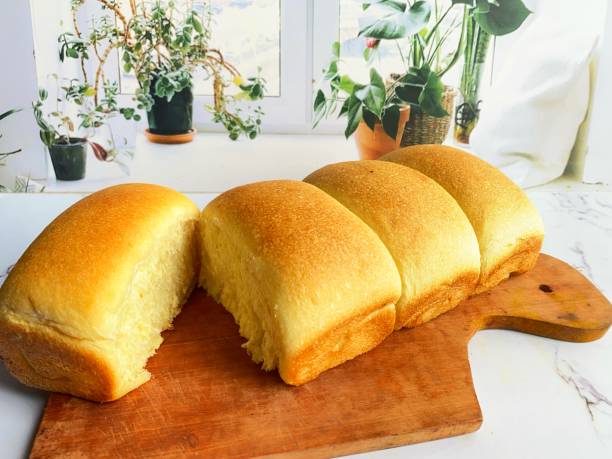
Homemade Bread Recipe – Soft & Fluffy Loaf, Nothing is more wonderful than taking a freshly baked loaf of bread out of the oven and smelling how it smells. The scent permeates the entire kitchen, making it feel cozy. This is an easy at-home bread recipe for soft & fluffy loaf – perfect for beginner bakers or those who want a go-to loaf. The recipe calls for just a few pantry staples, takes no more than a few minutes and yields bakery-worthy results every time. No equipment to buy, no complex techniques to master, just delicious bread that your entire family will adore from the first bite.
So What Ingredients Do You Need To Get Started?
It is helpful to understand the ingredients of a simple soft bread loaf before commencing to mix anything. List of ingredients is brief and easy to read.
You’ll need:
- 3 cups of all purpose flour (or bread flour for chewier texture)
1 packet (2¼ tsp) active dry yeast
1 cup warm water (around 110°F / 43°C)
2 tablespoons sugar
1 teaspoon salt
2 tbsp butter or oil
Warm milk (optional, if desired for extra softness) ¼ cup
The yeast is activated by warm water. Too hot water will kill the yeast. If it’s too cold, it wouldn’t wake up correctly. Use the “warm bath” temperature — neither hot nor cold.
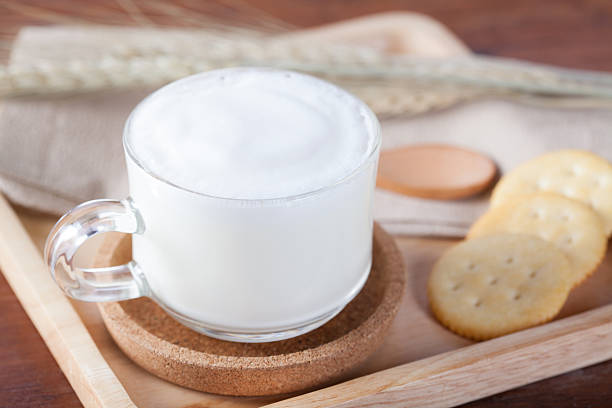
Milk imparts softness and tenderness to the bread. For a dairy-free option, simply substitute with water or plant-based milk. Regardless, you’ll end up with a great loaf of bread that’s light and airy.
Step by Step Instructions on Mixing and Kneading the Dough
Most of the people who are new to making bread are a little bit frightened when they start mixing their dough. However, it is not very difficult when you do know what you are searching for.
Step 1: Mix warm water, sugar and yeast in a bowl. Allow to stand for 5-10 minutes until it is foamy. The foam indicates that the yeast is alive and active. However, if there’s no rise, your yeast may have gone bad.
Step 2: Mix in flour, salt, butter and milk (if using) to the yeast mixture. Combine until a shaggy dough is created.
Step 3: On a floured surface knead for about 8–10 minutes. A smooth ball which is elastic is what you’re searching for. It should spring back when you poke it.
Step 4: Let dough rise in a warm place in a greased bowl for 1-1.5 hours covered with a clean towel. It should be doubled in size.
Step 5: Punch it down, form a loaf and put it in a greased 9×5 inch loaf pan. Allow to rise again for 30-45 minutes.
Step 6: Bake at 375°F (190°C) for 25–30 minutes until golden brown on top.
The benefits of homemade bread.The advantages of making your own bread.

The benefits of home baking are not limited to saving money on the grocery bill — they’re very real and all too common.
- Fresh ingredients only. You are in charge of all you put in. No preservatives. No additives. No long label of mystery ingredients.
- Different taste and texture. Store bought bread tends to have an artificial, spongy feel. Homemade is less harsh, fatter and has a depth of flavor that cannot be beat.
- Cost-effective. It’s very inexpensive to make at home a simple loaf. Those savings can amount to quite a bit over time.
- Satisfying experience. It’s a true sense of pride when you create something from a blank slate. It’s also very calming — kneading dough is surprisingly therapeutic!
Common Bread Loaf Mistakes Doomed to Ruin a Soft Bread Loaf
It is easy for even the most seasoned bakers to make these mistakes. The more you know about them ahead of time the less frustration you will have.
- Exposing to excessive heat. This prevents yeast from ever working. Always take the temperature.
- Inadequate kneading time. Dense, heavy breads are the result of under kneading the dough. Knead for 8 – 10 minutes.
- Omitting the second rise. The two increases are significant. The second one serves to set final shape and lightness to the loaf. Take your time on this step.
- Opening the oven prematurely. This leads to the collapse of the loaf in the center. Check after 20 minutes or more.
- Adding too much flour. It’s a sticky dough, which is normal. Add flour slowly, the dough needs to be soft and pliable and not dry and tough.
Great tips from an expert on getting that perfect bake every time.
Little things can make a big difference in the overall outcome.
Melt some butter and brush it on the top of the loaf immediately after baking. It helps to maintain softness in the crust and enhance its shine.
Slightly chewier and more structured loaf with bread flour instead of all-purpose flour.
If the oven in the kitchen is cold, put the dough close to the warm oven (only the oven light is on) to ensure proper rising.
Leave the bread 20 minutes or more to cool. If cut too early it becomes gummy within.
Refrigerate leftover bread in a zip-lock bag or container at room temperature for up to 3 days.
Frequently Asked Questions
A1: Yes, you can make this bread without a stand mixer.
Yes, absolutely. This recipe is for a completely handmade dish. Simply work the dough on a clean work surface and with a little elbow grease! Special equipment not required.
Q2. What went wrong with my bread not rising?
The most frequent causes are dormant or dying yeast. Always proof your yeast first: If your yeast doesn’t foam in 10 minutes, begin again with fresh yeast.
Q3: Can Homemade Bread be Frozen?
Yes! Wrap the loaf tightly in plastic wrap and store in a freezer bag until it has cooled. Will keep for up to 3 months. Thaw in the refrigerator before serving.
Conclusion
There are small pleasures in life which never get old and one of these is the pleasure of making bread at home. This homemade bread recipe – soft & fluffy loaf is a reliable, beginner-friendly, and customizable recipe! You’ll wonder what you were thinking when it first came out how you ever bought bread, the first time. It is easy, inexpensive and the outcome is apparent. Try it this weekend – and don’t be surprised if everyone in the house asks for a second slice.
