Introduction
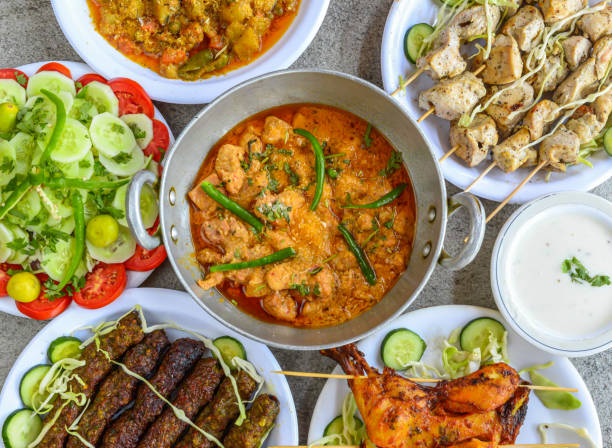
Home cooked Pakistani food is always comforting. Dinner hour is special, rich with aromas and bold spices, and a time for sharing food with family. If you’ve looked for some true Pakistani dinner recipes – traditional dinner ideas that are easy to follow and packed with flavor, then you’re in correct place. This guide will take you through it and help you make dinners to remember at home, even if you’re a beginner or a family who has always dined on these dishes. Let’s get started.
Why is it that Pakistani dinner is so special?
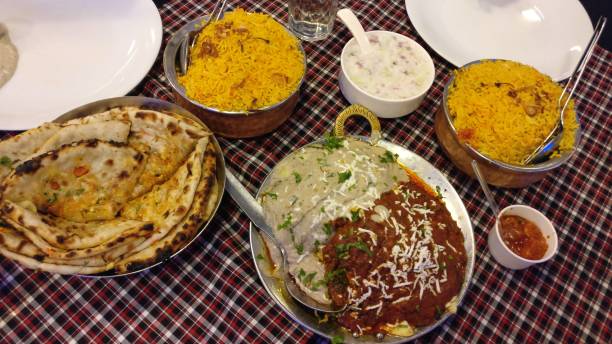
Pakistani cuisine is very old as it has a long history of culinary tradition. Every region has its distinct flavors, cuisines and signature dishes. Whether you’re in Peshawar with its smoky grills or Lahore with its rich curries, dinner in Pakistan is never a dull experience.
The main dish in most Pakistani dinners is made of curry or meat, accompanied by freshly made roti or steamed rice. It is served with accompaniments such as raita and salad and pickles. The spices such as cumin, turmeric, coriander, garam masala, etc. are used copiously, imparting a unique flavor to every dish.
It is the slow cooking process that makes these meals truly special. Traditional methods of cooking involve low temperatures for longer periods to cook meat and vegetables. This slow cooking technique yields rich and complex flavors that can’t be obtained by fast cooking.
Popular Pakistani Dinner Recipes – Traditional Meal Ideas at a Glance
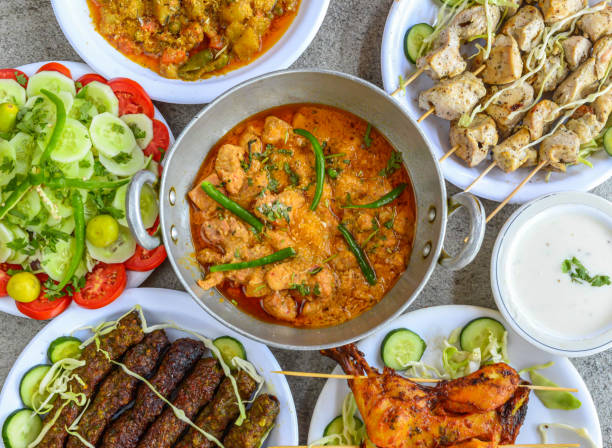
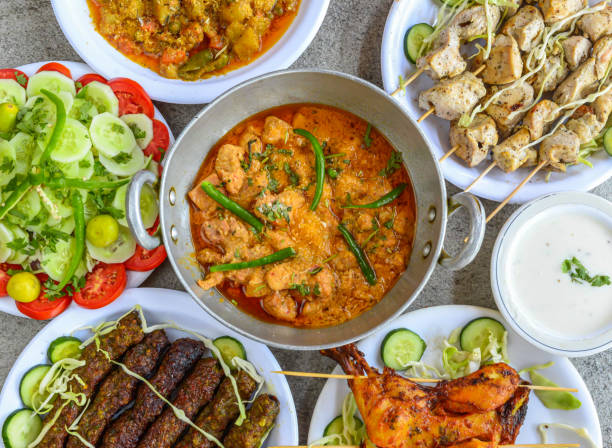
Here is a quick comparison of some beloved dishes you can prepare for dinner. This table gives you an overview of different options based on the type of dish and its key characteristics.
| Dish Name | Type | Description |
|---|---|---|
| Chicken Biryani | Rice-based main course | Layered rice and chicken cooked with aromatic spices and saffron |
| Nihari | Slow-cooked meat curry | Rich beef or lamb stew simmered overnight with warming spices |
| Aloo Gosht | Meat and vegetable curry | Tender mutton pieces cooked with potatoes in a tomato-based gravy |
| Dal Chawal | Lentil dish with rice | Yellow lentils tempered with garlic, cumin, and served over rice |
| Seekh Kebab | Grilled meat | Spiced minced meat shaped onto skewers and grilled to perfection |
Each of these dishes pairs beautifully with naan, paratha, or plain rice. You can mix and match based on your mood and the ingredients you have on hand.
The practical tips for cooking Pakistani dinners at home are here.
The first thing you should start is having all the basic spices of Pakistan in your spice rack. Essential spices include cumin seeds, whole coriander, red chilli powder, turmeric and garam masala. Most dishes are also started with fresh garlic, ginger and green chilies.
- Cook onion thoroughly. Onion base is the essence of Pakistani cuisine. Fry them until they are golden brown and then add tomatoes and spices. You’ll miss out on a perfectly ripe curry if you rush this step.
- Marinate meat, if possible. Yogurt and spices will make a significant difference after just 30 minutes of marination! When used for dishes such as biryani and kebabs, it is suitable to marinate overnight.
Benefits of Cooking Traditional Pakistani Meals
Preparing meals at your home allows you to have complete control over ingredients and serving sizes. Oil, salt and spice can be added according to your family’s health requirements without compromising taste.
These meals also are exceptionally low-cost. Lentils, rice, seasonal vegetables and simple spices have a minimal price tag and provide a nutritious meal with a good amount of satisfaction. A pot of dal chawal can feed a big family for few dollars.
Further, traditional cooking preserves the cultural heritage. The cooking of your grandmother’s recipe is a way to pass down stories, techniques and flavors to the next generation. Food is more than a food, it is a connection.
Avoid Common Mistakes
One of the worst things they do is curries with too much water. Gravies in Pakistan should be thick and concentrated. Add water slowly and allow to evaporate.
One of the more common mistakes is overcooking vegetables. In dishes, such as aloo gosht, potatoes are best when in shape. Adding too much vegetables makes them mushy and unappetizing.
Many people also do not follow the procedure, called tarka or baghaar, of tempering. Fried with hot oil, this last garnish of fried garlic, dried chilies and cumin gives a tremendous aroma and flavour to lentils and some curries. Never skip it.
Do not only use pre-ground spice blends. Although they are handy, fresh ground spices will provide a much better taste. Buy a mini spice grinder — you’ll notice the difference right away!
To achieve authenticity, the following tips from the experts in the field are offered:
If at all possible, use bone-in meat. Slow cooking causes the bones to release gelatin, which makes your curry more rich and silkier. Boneless cuts may be quick but are lacking in flavor.
Dry roast whole spices before grinding. This is an easy trick to add extra punch to your dish by releasing some essential oils.
Melt the oil off from the tomatoes while cooking. A visual indicator is used for this; it is called “bhunna” and indicates that your base is done. It takes out raw tomato flavor and makes a glossy gravy.
Last but not least, allow your biryani to cool for 10 minutes after cooking. Cover the pot tightly, and place a cloth over the pot to hold the steam. This period of rest is used to enhance flavor and ensure even steaming of the rice.
Frequently Asked Questions
1. What is the most popular dish for dinner in Pakistan?
Chicken Biryani is perhaps the most favored dinner dish among Pakistanis. It’s eaten at the house, in restaurants, and at almost every occasion of celebration.
Q2: How can I get rid of a lot of oil in the Pakistani dinner recipes?
Yes, absolutely. Even with a significant reduction in oil, you can still achieve a wonderful taste. Pay attention to the use of proper spices, slow cooking and quality ingredients to make up for it.
Q3: What is the time required to make a traditional Pakistani dinner?
This will vary depending on the recipe. Simple foods such as dal chawal take 30-40 minutes. More complicated ones such as nihari or biryani require anywhere from an hour to a few hours.
Conclusion
Embarking on a journey of Pakistani dinner ideas – traditional meal recommendations will introduce you to a realm of unmatched tastes and comforting dishes. Be it dal chawal or a flawless layered biryani, there is a dish for every instance and skill level. Just remember to treat the process with respect, to use fresh ingredients, and to cook with love. This week try one recipe and you’ll be back for more. These are classic recipes that have been passed down through the generations and can be passed on to yours today!
