
Introduction
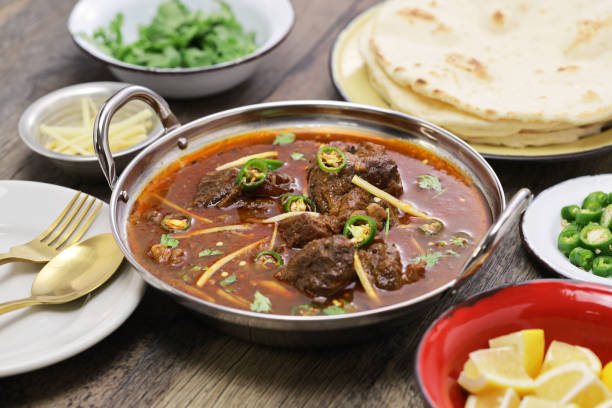
Beef Nihari Recipe – Authentic Slow-Cooked Dish, Nothing is as soothing as a bowl of hot nihari on a chilly winter morning. The Gravy is thick and rich. The beef which tends to fall apart. Cooked spices at low temperatures, smoky and succulent. This Beef Nihari Authentic Slow Cooked Dish is a must have recipe in South Asian home cooking for centuries. Nihari was traditionally served as a breakfast dish to both laborers as well as royals and now has become one of the most popular dishes of the Pakistani and Indian cuisine. If you’ve been wishing to make this magic happen at home, then you’re in the right place. Let me explain all this to you.
Why Nihari is so Special?
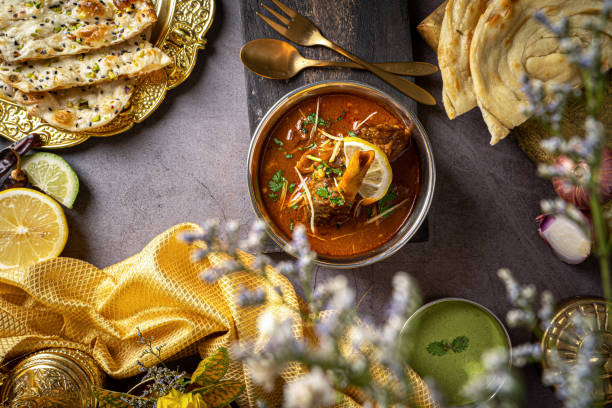
Nihari is no ordinary curry. It is a slow-cooked masterpiece which requires patience. The Arabic word “nahar” means morning and hence the name “nihari” (literally night’s meal, which is the first meal of the day). It used to be cooked all night on a low fire and eaten fresh the following morning.
The secret of nihari is how it’s prepared. They simmer the beef for a few hours, typically for 6-8 hours, until the collagen in the meat and bones has completely dissolved. This makes the gravy smooth and gelly in texture with no other dish can create it.
Also the use of the spice mix in nihari is peculiar. This contains a special nihari masala mix, fennel seeds, nutmeg, mace and ginger powder. These spices are added to the dish at different times, rather than all at once. This layering creates depth and complexity in each spoonful.
Beef Nihari is a traditional dish served in many restaurants in Japan.
It takes some clever tactics to make nihari a success at home. The first rule of beef is always to have bone in the meat. The bones give the gravy its characteristic thick texture, by releasing marrow and gelatin. If you don’t have bones in your nihari, then it will taste flat.
Second, if your spices are whole, then you need to toast them before grinding. This little movement releases their essential oils and also enhances their flavour. The pre-packaged nihari masala comes in handy but freshly ground spices make a difference.
Third, take your time in cooking. The golden rule here is “low and slow. Cooking on high heat would not allow the meat to cook thoroughly and the gravy would not thicken. Try to get 4-5 hours on the lowest flame possible.
Lastly, mix wheat flour with water (called “tarka” or slurry) towards the end. This adds to the gravy and textured consistency to a nihari.
Types of Nihari – A Quick Overview
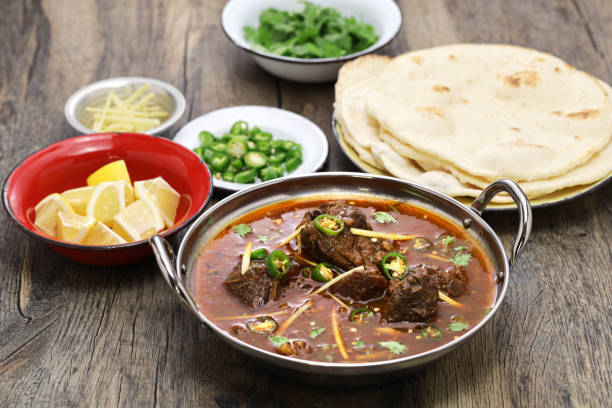
Not all nihari is the same. Depending on the region and the cook, you’ll find several variations. Here’s a simple comparison to help you understand the most popular types.
| Feature | Option / Type | Description |
|---|---|---|
| Meat Used | Beef Shank Nihari | Most traditional version, uses bone-in beef shank for rich flavor |
| Meat Used | Nalli Nihari | Made with bone marrow, giving an extra creamy and fatty gravy |
| Regional Style | Lucknowi Nihari | Lighter spice profile, slightly milder taste |
| Regional Style | Karachi-Style Nihari | Bold, spicy, and deeply flavored with a thicker gravy |
| Cooking Method | Slow Cooker Nihari | Modern adaptation using a crockpot for convenience |
Each version has its own charm. But for the most authentic experience, beef shank with bone marrow is hard to beat.
Making Nihari at Home offers several advantages.
You are in charge of the ingredients quality. Often, the restaurant nihari will be over oiled or artificially coloured to make it look good. In the kitchen, it is your choice of fresh spices, a good cut of beef and just the right amount of oil.
It’s more economical. One pot of homemade nihari will serve a big family for a small price compared to what you would pay if you ordered it from a restaurant. The ingredients are cost effective and readily available.
The base of nihari is bone broth, which is loaded with nutrients. It is rich in collagen, amino acids and minerals which are essential for the health of the joints and digestion. So, not only is so nihari delicious, it’s nutritious as well.
Some common errors to avoid in Nihari.
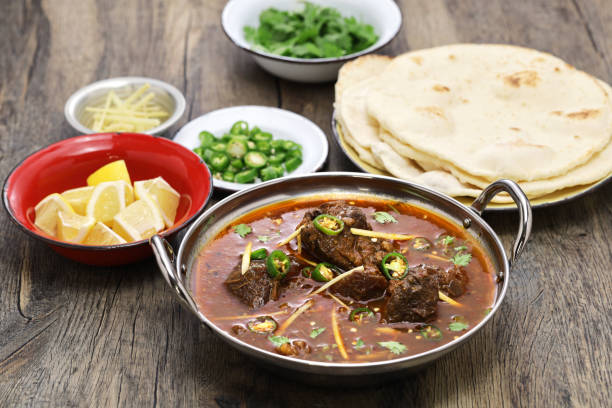
Boneless meat only to be used. This is most likely the biggest mistake. If it’s gravy that you’re after, boneless beef won’t provide you with the thick, rich gravy that characterize nihari. Include shank pieces or marrow bones!
Excessive initial watering. The inclination is to add a lot of water to the mix, but nihari requires a thick broth. Reduce the amount of water and gradually add more as the meat cooks down.
Excluding the resting period. Nihari is much tastier on the next day. The tastes combine peacefully during the night. If at all possible, prepare a day before and reheat before serving.
Overcooking the garnish. Ginger julienne, green chilies, chopped cilantro and lemon juice should be served just before consuming. They become stale when cooked in the gravy.
Here are some pro tips for creating restaurant-worthy nihari!
Opt for a heavy pot or Dutch oven. These help to maintain the temperature consistently and do not let the meat stick or burn while it cooks for a lengthy time.
When preparing meat, add a little papaya paste before cooking. A technique that old cooks use to make tough cuts of beef tender without compromising the taste.
Add spices gradually. Add half of the masala in the beginning, and the remaining half about an hour before the nihari is ready. This results in a more complicated taste.
What is the meaning of Nihari?What is Nihari? (Very often asked question about beef nihari)
Q1. How much it takes to cook beef nihari properly?
A: The traditional nihari is cooked for 6-8 hours on a very low flame. With a pressure cooker, about two hours will suffice. Slow cookers usually cook on low for 8-10 hours.
A2: Yes, you can freeze leftover nihari.
A: Absolutely. Nihari freezes to a great perfection for as many as 3 months. Keep in tightly closed containers and cook on the stove again. The flavor really enhances after freezing and reheating.
Q3: Which part of a cow is the best for nihari?
Beef shank will be the best option as it contains bone, marrow and connective tissue. These elements are dissolved during slow cooking and give nihari its rich and delicious gravy.
Conclusion
Beef Nihari Recipe – Authentic Dish with Slow Cooking at Home is one of the best cooking experience that you may ever have. This will take time and patience, but is absolutely worth it! Scented spices along with the sweet, succulent meat and the unforgettable gravy combine to make something truly special. Cooked for a weekend family get-together or for comfort food, nihari always won’t disappoint. Using the tips and steps outlined above, you’ll be able to create a pot of nihari that you’ll be able to look down at and say that you’ve got the best one on the street! Try it out on the weekend, your taste will thank you.
