Introduction
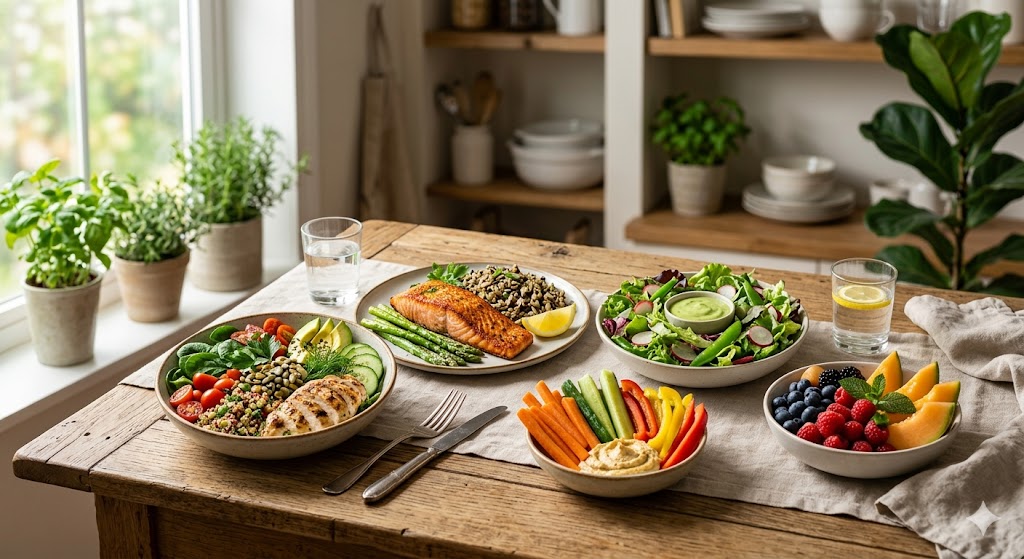
Clean Eating Recipes – Simple & Fresh Meal Plans, Healthy eating doesn’t have to be an all-day, all-night or no dessert at all experience. But with a few simple & fresh meal plans based on clean eating recipes, you can nourish your body with authentic and healthy ingredients while still savoring every bite. Clean eating is all about making the healthy choices rather than the processed. It’s not a diet, it’s a change of lifestyle. This guide is for those who want to start their journey or have forgotten how to cook from time to time—no matter—it has some great ideas, tips and simple meal planning techniques that will help you get started.
What is Clean Eating and Why is it important?
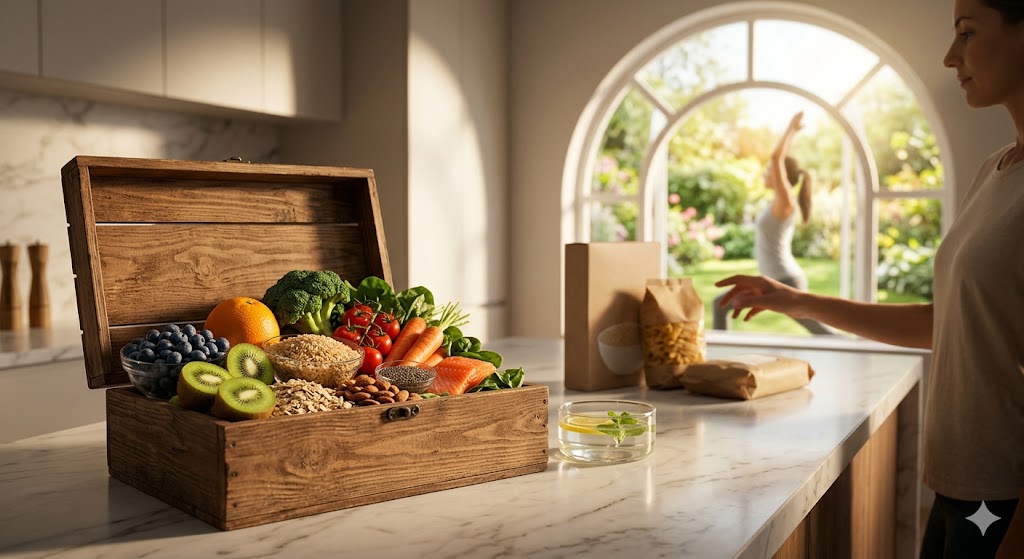
Clean eating basically involves eating foods in their natural state. Eat fresh vegetables, lean proteins, whole grains, fruits, nuts and healthy fats. There’s less of packaged snacks, artificial flavors, added sugars and preservatives.
The concept is not perfection, it’s about being imperfect. It’s a matter of better choices, most of the time. The more real food you consume, the better your body will feel — a lot of people report feeling better energized, more alert and better able to digest food when they eat more real.
There is no need to have a nutrition degree to eat clean. Only a little planning and some favorite recipes to go by are required.
Here are a few tips to help you create a clean eating meal plan.
The key to successful clean eating is planning ahead of time. If you have an easy-to-prepare meal on the ready, you won’t tempted to opt for processed alternatives.
Begin with a “7 Day Menu”. Record your breakfast, lunch and dinner plans for the day. Keep it simple. It’s not necessary to have five different dinners, just three or four different meals are sufficient.
Shop with a list. Always shop the perimeter of the grocery store where fresh produce, proteins and dairy items are typically located. Most processed foods are stored in the center aisles.
Prep on Sundays. Cut food, prepare grains and serve snacks. Two hours a weekend could save you hours throughout the busy week.
Keep meals simple. A grilled chicken breast, roasted vegetables and quinoa is a completely clean dish. Nutritious doesn’t have to be complicated.
Types of Clean Eating Meal Plans – A Simple Overview
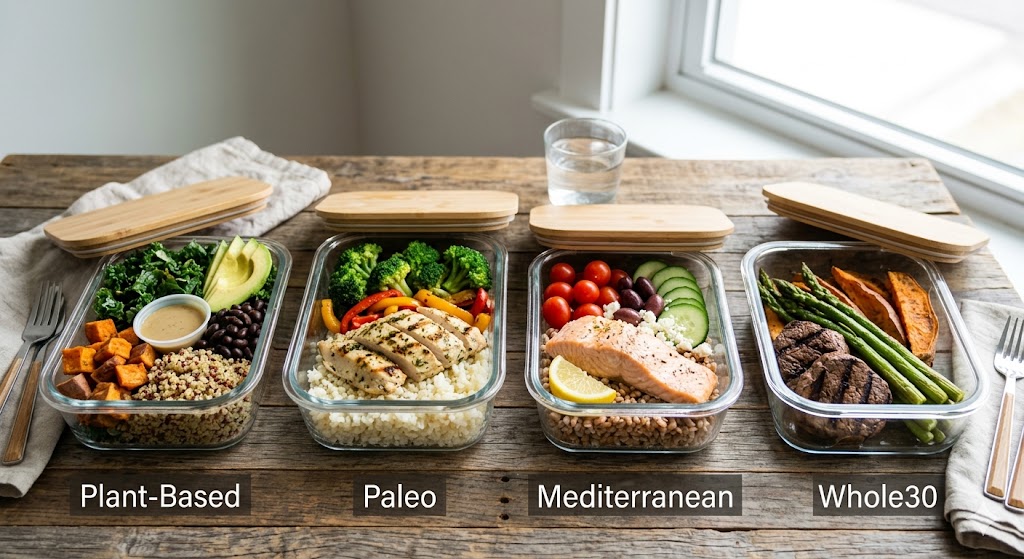
Not every meal plan looks the same. Some people prefer a plant-based approach. Others eat lean meats and dairy. The good news is that clean eating is flexible enough to suit different lifestyles and preferences.
Here’s a quick comparison of popular clean eating styles:
| Feature | Option / Type | Description |
|---|---|---|
| Protein Source | Plant-Based | Uses beans, lentils, tofu, and legumes as main protein |
| Protein Source | Omnivore | Includes lean chicken, fish, eggs, and dairy products |
| Carbohydrate Focus | Low-Carb Clean | Emphasizes veggies, nuts, and avoids refined grains |
| Carbohydrate Focus | Whole Grain | Uses oats, brown rice, quinoa, and whole wheat |
| Meal Prep Style | Batch Cooking | Prepares large amounts on weekends for the whole week |
Each approach has its strengths. The best one is the one you can stick with consistently. Start with what feels manageable and build from there.
The advantages of sticking to a clean eating regimen include
The positive effects of real food can be deeper and faster than you may imagine. There are many people that notice more consistent energy levels in the first week or two.
Whole foods have high fiber content, which helps with the digestion process, thus cleaning eating allows you to improve digestion process. Eating plants, legumes and unprocessed grains are the best for your gut.
It’s also a great aid for weight management, even if it isn’t due to big calorie cuts: Whole foods are more filling. There are fewer cravings typically afterwards.
Long term, a clean diet is associated with a lower risk of chronic diseases, such as heart disease and type 2 diabetes. It’s the little things that add up.
The following are common errors that people make while following a clean eating diet.
The single major error is believing that if something is organic, then it’s clean. Organic cookies are still cookies. Do look at the list of ingredients—you don’t need to look at what the main label says.
Second, don’t be too hard on yourself, too quickly. Go all out and you’ll burn out almost for sure. Taking a baby step approach — changing one or two things at a time — is more likely to work well.
Don’t avoid healthy fats. There are people who completely avoid fats just to avoid consuming “dirty” fats. Avocados, olive oil and nuts are important for brain health and hormone function, however.
Last but not least, be sure to get sufficient fluids. Every system in your body requires hydration and often, people feel tired, sluggish and are not getting enough of it.
There are several ways to make it easier to eat healthy, starting with the following expert tips.

The “80/20 rule” is something that nutritionists frequently recommend. Follow a diet roughly 80% of the time and allow yourself some flexibility the rest of the time. This attitude helps alleviate guilt and makes it more manageable.
Flavor is important. Add plenty of fresh herbs, lemon juice, garlic and spices. Clean food doesn’t have to be flavorless; clean food simply cannot be made with artificial flavors.
Build balanced plates. The rule of thumb is to have 50% vegetables, 25% protein, and 25% complex carbohydrates. Most meals can be done simply using this formula without counting anything.
Let’s go over a few frequently asked clean eating questions.
A: Absolutely, clean eating can be a great way to lose weight.
Yes, it can. Whole foods are also more filling and less calorie-dense than processed foods, aiding a healthy weight.
A: Is Clean Eating Costly?
Not necessarily. Clean eating foods that are low cost include beans, lentils, frozen vegetables, oats and eggs.
A: No, you don’t need to eliminate all of the sugar.
Not completely. The target is to decrease the amount of added sugars. Fruit and dairy sugars are usually okay if consumed in moderation.
Conclusion
Making it easy to get started with clean eating recipes – simple & fresh meal plans. No complicated cooking methods or fancy ingredients are required. It only requires a little bit of commitment to make some steady modifications. Eat real food, plan ahead and be nice to yourself when things don’t go exactly as you’d like. Healthy eating is a journey, not a destination. The more you practice the more natural it will be. Make one clean meal today – and then some – your body will thank you for it!
