Introduction
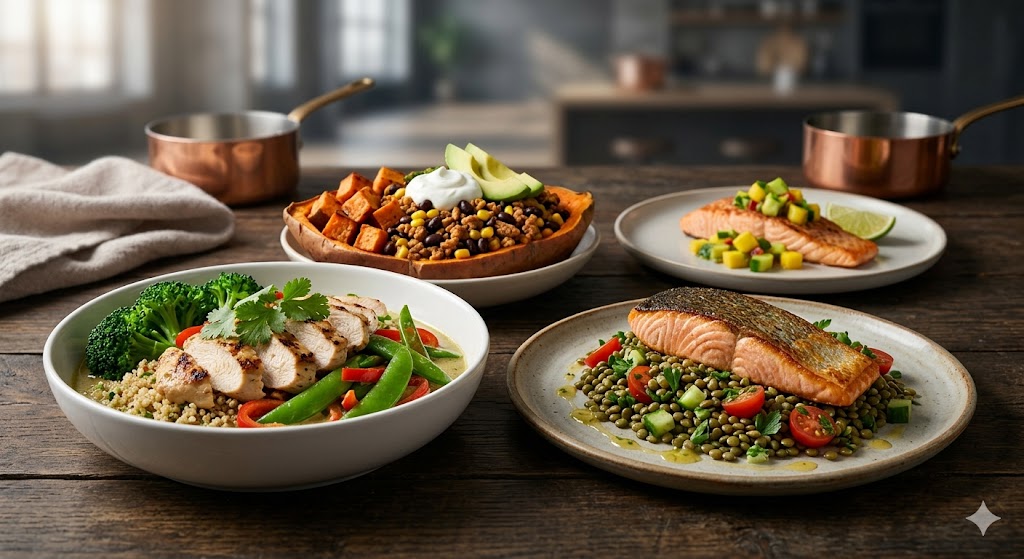
High Protein Meals – Best Recipes for Fitness, Whether you’re hitting the gym or simply looking for ways to be healthier, eating enough protein is one of the best things you can do for your body. However, many people become frustrated with eating the same bland chicken and rice each day. It’s not your story. High protein meals don’t have to be dreary or complicated! There are plenty of recipes out there that are delicious—and with a little planning, it’s possible to enjoy a meal without compromising your fitness goals. Let’s dissect it all in an easy-to-use fashion.
How to Make Any Meal a Protein Rich Meal?
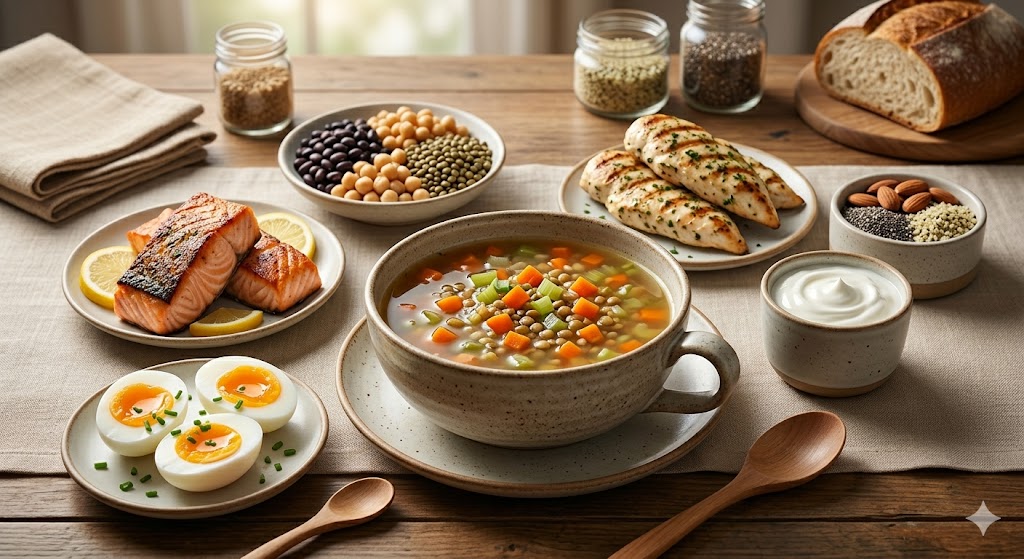
Protein, carbs and fats are all your body requires, and protein is one of them. It aids in the growth and repair of muscle, helps maintain a sense of fullness and bolsters immunity as well.
Generally, a meal with 25-40g of protein is considered “high protein”. This is about the same amount as a chicken breast or a can of tuna.
The sources of good proteins are:
- Vegetarian/vegan: soy or other plant protein alternatives
- Grain-based: grains, bulbs, and beans, such as wheat, rice, pasta, and beans
- Having a variety of protein sources is a good idea to make the food more interesting and help you to achieve the recommended daily intake.
If you’re looking to prepare a high protein meal at home, these are some easy tips to keep in mind!
Making good protein meals doesn’t mean you have to be a chef. There are some savvy practices that can help make a difference.
Plan ahead. Prepare a large batch of chicken, hard-boiled eggs or lentils for the week on Sunday for an hour. Being stocked up helps you get a balanced diet in when life is hectic.
Double the protein. Include greek yoghurt in smoothie. Add chickpeas to a salad. Sprinkle hemp seeds on oatmeal. It does not take long for little additions to make a lot.
Cook generously seasoned with salt. Lean protein such as chicken or tofu can be dry without seasoning. Keep things flavored up without extra calories by using herbs, spices, garlic and lemon.
Keep it simple. One of the easiest and healthiest meals you can make is a grilled chicken breast, roasted veggies and quinoa. Not all the time a complicated recipe is needed.
Best High Protein Meals – A Quick Comparison of Popular Recipe Types
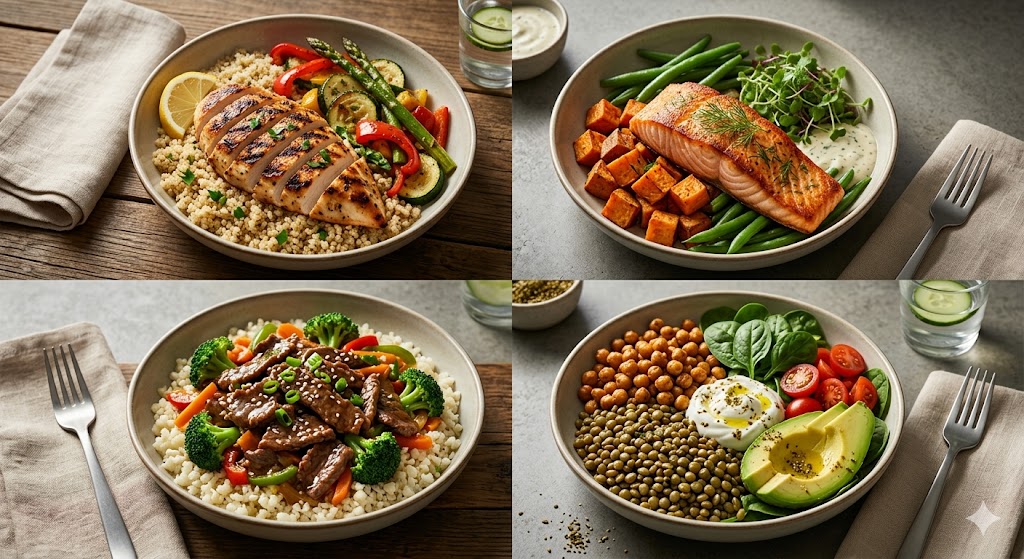
Not all protein-packed meals are the same. Some are quick to make, others need more prep. Here’s a simple breakdown to help you figure out what fits your lifestyle.
| Feature | Option / Type | Description |
|---|---|---|
| Prep Time | Quick Meals (Under 15 mins) | Scrambled eggs, protein shakes, tuna wraps |
| Cooking Style | Meal Prep Friendly | Grilled chicken bowls, lentil soups, baked salmon |
| Diet Type | Plant-Based Options | Tofu stir-fry, black bean tacos, chickpea curry |
| Protein Source | Animal-Based Options | Turkey burgers, Greek yogurt bowls, egg muffins |
| Budget-Friendly | Low-Cost High Protein | Canned tuna, eggs, lentils, cottage cheese |
This table gives you a snapshot of what’s out there. Whether you’re short on time or cooking for the week, there’s a protein-rich option for you.
Regularly consuming protein-rich meals offers these advantages
Fitness enthusiasts are fond of talking about protein.Fitness experts can’t seem to stop talking about protein. It’s true and backed by science.
Growth and recovery of muscles. Protein provides your muscles with the materials needed to build and strengthen them after exercise. If you don’t consume sufficient protein, it takes a longer time to recover.
Longer-lasting fullness. Protein helps to keep you full for long periods of time. This includes reduced cravings and mid-meal snacking, thus facilitating weight management.
Steady energy levels. Sugar has a tendency to make the blood sugar rise and drop; however, the same effect is not seen with protein. Provides you with steady energy levels during the day.
Better metabolism. Protein takes more calorie to digest than carbs or fat. This is known as the thermogenic effect of food.
People’s usual pitfalls with a high protein diet.

Even the well-meaning individuals make the common mistakes. Read on to learn what to look for.
Taking excessive amounts of protein in one sitting. The protein intake necessary in one meal is limited – about 25-40 grams. Rather than eating all at once at dinner, it’s better to spread it throughout the day.
Skipping fibre and carbs. While protein is critical, it is also necessary to have carbohydrates and fibre for energy and digestion. Don’t remove all the cuttings.
Only taking supplements. While protein powders can be useful, they should not be used as a substitute to whole food sources. Real food provides you with vitamins and minerals which can’t be perfectly duplicated in a shake.
Having one meal each day. Diversity is not just a matter of taste, but of nutrients, too. Use a variety of protein.
Mentor tips to obtain more out of your protein consumption.
Here are a few simple modifications you can make to improve your high protein meals.
Have protein at every meal, even breakfast. Eggs, cottage cheese, or a yogurt parfait are good things to eat in the morning.
Combine protein with complex carbohydrates for long-lasting energy prior to exercise.
Stay hydrated. More protein = more work for the kidneys — water to the rescue.
If you’re not sure how much protein you are eating, monitor for one week. People often do not consume as much food as they believe.
Frequently Asked Questions
A1: What is the recommended daily intake of protein?
The general protein recommendation for active adults is 0.7 – 1 gram for each pound of body weight. If you weigh 150 lbs, aim for 105–150 grams daily.
Q2: Is it possible to get sufficient protein from vegetarian foods?
Yes, absolutely. Lentils, tofu, quinoa and chickpeas are good protein sources. It may require diversifying your diet to achieve your objectives.
Q3: Is it okay to eat eggs every day?
Yes for most healthy persons. Eggs are one of the most complete protein foods found and can be eaten every day in a well-balanced diet.
Conclusion
Healthy eating doesn’t have to be tedious or stressful. Eating high protein meals can be—it’s not a matter of after exercise—deliciously enjoyable with a little planning and creativity. Start simple. If you’re not sure where to start, choose 2 or 3 foods you’d like to cook in large batches and go from there. The ideal diet plan is one that you can adhere to for a prolonged period of time. High protein intake is a good start, whether you’re looking to gain muscle, lose weight, or simply feel better every day. Cook one new recipe this week, and see how it turns out!
