
Introduction
It’s like nothing quite like pulling a bubbling, golden pizza out of your own oven! The kitchen is filled with the aroma, the cheese is in just the right shape, and each bite tastes just the way you like. Ever thought you could make a homemade pizza recipe – better than a pizza restaurant? Of course you can. No special equipment or professional training required. There are a handful of simple techniques and a little patience to make pizza at home that can compete — and sometimes surpass — your favorite pizzeria.
Why is Homemade Pizza So Special?

Total control is the greatest benefit of making pizza at home. You choose the flour, the sauce, the cheese and each individual thing topping. No secret foods, too much fat and no reheated slices under a heat lamp.
If you make pizza from scratch, the dough will be fresh. The sauce is colourful. The toppings are all of your favourites. The crust can be thick or thin, the cheese can be thick, thin, or even adventurous or flavored.
Another huge benefit? It’s fun. Pizza making is a fun activity for families, couples and friends. Shaping the dough and selecting the topping are favorite activities for kids.
Making the best pizza dough – practical tips, step by step
Basic Dough Ingredients:
- 2 ½ cups of all-purpose flour (or bread flour if making a chewier crust)
1 teaspoon instant yeast
1 teaspoon sugar
¾ teaspoon salt
1 tablespoon olive oil
1 cup warm water
Combine dry ingredients, add the water and olive oil. Knead the dough until it is smooth and elastic, about 8-10 minutes. Cover and allow to rise for one hour or more, keeping it moist with a damp cloth.
To make even better flavoured dough, make the dough the night before and cold ferment it in the refrigerator. This gradual increase brings about deeper and richer flavours which can’t be rushed.
The advantages of creating at home pizza.The gains of Pizzaiolo at home.
Save money. It’s cheaper than ordering a pizza from a restaurant or ordering it to be delivered. Savings really add up over a month.
Eat healthier. Use whole wheat flour, low fat cheese, fresh vegetables, and lean proteins. Eating conditions such as gluten free, dairy free or even vegan can be easily accommodated with recipes.
Build skills. The more you practice, the better your pizza will be. You will discover what the correct dough should feel like when properly kneaded, how to extend the dough without tearing, and how much time your oven takes to develop a good crust.
Here are some common errors to steer clear of when creating pizza.
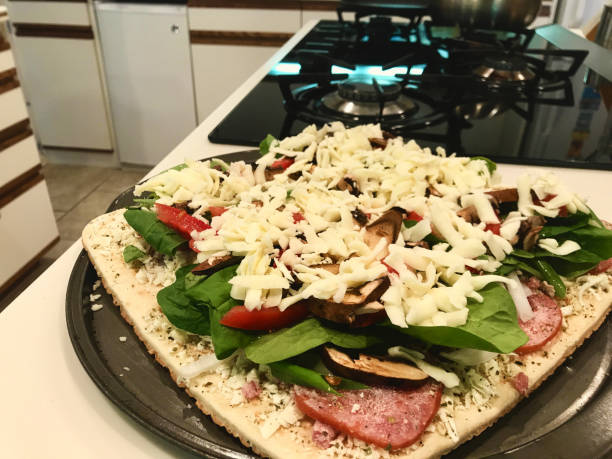
Overloading toppings. This is the most typical error. Too many toppings hold up the steam, resulting in a soggy crust rather than a crispy crust. Less is more. Select 3-4 toppings at the most!
Not preheating oven sufficiently. Pizzas require a high temperature. Preheat the oven to the highest setting (typically 475°F to 500°F) and do this for at least 30 minutes. Use a pizza stone or steel and put it in during preheating.
Forgetting to strike a sauce balance. Too much sauce = wet, floppy pizza. Apply a layer that’s thin and even and leave 1/2 inch for crusts around the perimeter.
An alternative to stretching is rolling. All the air bubbles in the dough are removed by the rolling pin. Tenderly stretch and mold with hands. The air pockets provide the light, airy crust you need.
There are a number of ways pizza can be taken to the next level.Several ways to take pizza to the next level.
Looking to take your home-made pizza making skills up a notch, beyond a restaurant? Try these expert-level techniques.
Use bread flour. It contains more protein than all-purpose flour and thus produces more gluten. The more gluten you have, the more structured and chewy the crust will be and the better the texture will be.
Serve with fresh ingredients. Just after the pizza has come out of the oven add the fresh basil, arugula, a drizzle of good olive oil or a sprinkle of flaky sea salt. These tidbits of detail can be the difference-maker.
Use the broiler setting (not the grill). Turn oven to broil, then bake for the final 60-90 seconds. This results in the characteristic “charred” spots on the cheese found at wood-burning pizzerias.
Get a pizza steel.Buy a pizza steel. Faster to heat than stone and will provide a crispier bottom crust. A home pizza maker’s dream.
Let the dough rest. If dough remains springy when stretched, allow it to rest for 10-15 minutes. Gluten requires time to relax so it will cooperate.
Frequently Asked Questions
Q:Yes, you can make pizza dough without yeast.
A: Yes. Use self-raising flour or a mixture of baking powder and flour to get a quick flatbread crust. Not as light as yeast-mixed dough, but it will suffice in an emergency.
Q: What’s the best cheese for homemade pizza?
Low moisture mozzarella is the preferred mozzarella as it melts well without the loss of too much water. If a creamier texture is desired, add some fresh mozzarella to the mixture.
Q: When you have leftover pizza dough, you can use the fridge or freezer.
A: Tightly cover with plastic wrap and keep in the refrigerator for up to 3 days. Dough balls may also be frozen for as long as three months. Simply thaw in the fridge overnight before using.
Conclusion
Even if you are completely inexperienced, you can actually make a homemade pizza recipe that’s better than what you’ll find in a restaurant! It’s all about fresh ingredients, correct technique and a blistering hot oven. When you get the hang of these three things — a decent dough, well-rounded toppings, and proper baking temperature — you’ll be amazed at how much money you saved on delivery! Keep things simple, try a lot and don’t be afraid to get things wrong. Each time you create a pizza, you learn something new. Soon, your kitchen will be the best pizza parlour in the area.
