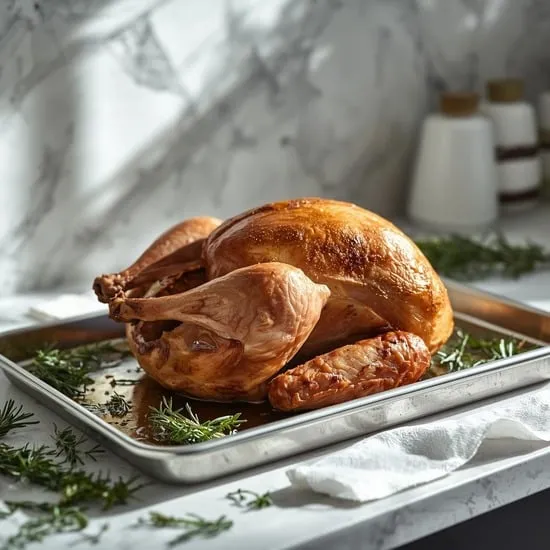
The first time I learned how to brine a turkey, it honestly changed everything for me. I used to worry so much about dry turkey, especially for big family meals where everyone’s watching and waiting. Brining felt intimidating at first, but once I tried it, I realized how simple and forgiving it actually is. That turkey came out juicy, flavorful, and tender in a way I had never achieved before—and I’ve never skipped brining since.
Why Brining a Turkey Makes Such a Big Difference
Brining a turkey is all about locking in moisture and flavor. When you soak the turkey in a saltwater solution, the meat absorbs liquid and seasoning, which helps it stay juicy during cooking. This is especially helpful for lean turkey breast, which can dry out easily without extra care.
What I love most is the confidence it gives me. Knowing how to brine a turkey means I don’t stress as much while it roasts. The meat stays tender, well-seasoned, and forgiving, even if it cooks a little longer than planned.
Wet Brine vs Dry Brine – Which One Should You Choose?
When learning how to brine a turkey, you’ll usually hear about wet brining and dry brining. Wet brining uses water, salt, and flavorings, while dry brining relies on salt rubbed directly onto the turkey. Both work, but they give slightly different results.
I usually choose wet brining for holidays because it delivers guaranteed juiciness and evenly seasoned meat. Dry brining is great too if fridge space is tight, but wet brining feels more beginner-friendly and comforting when you’re just getting started.
What You Need to Brine a Turkey
You don’t need fancy tools to brine a turkey. A large pot, bucket, or even a sturdy food-safe bag works perfectly. The key is making sure the turkey is fully submerged and kept cold the entire time.
For the brine itself, salt is essential. From there, you can add sugar, herbs, garlic, peppercorns, citrus, or bay leaves. These extras gently flavor the turkey without overpowering it.
How I Brine a Turkey Step by Step
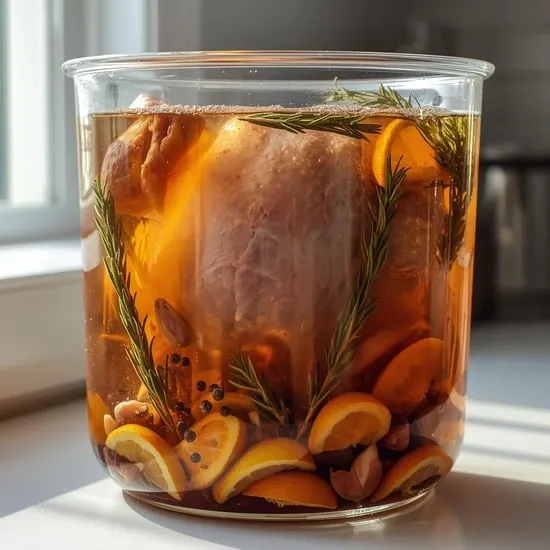
When I brine a turkey, I start by dissolving salt (and sugar, if using) in warm water. This helps everything mix smoothly. Once dissolved, I add cold water and aromatics, then let the brine cool completely before adding the turkey.
The turkey goes into the brine breast-side down, fully submerged, and straight into the fridge or a cooler with ice. Depending on the size, it rests in the brine for 12–24 hours, slowly soaking up flavor and moisture.
After brining, I remove the turkey, rinse it well, and pat it completely dry. This step is important so the skin roasts up beautifully instead of steaming.
How to Brine a Turkey
Equipment
- Large Stock Pot or Food-Safe Container
- Measuring Cups
- Wooden Spoon
- Refrigerator or Ice-Filled Cooler
Ingredients
Basic Turkey Brine
- 1 gallon cold water
- 1 cup kosher salt
- 1/2 cup granulated sugar optional
- 4 cloves garlic lightly crushed
- 2 bay leaves
- 1 tbsp whole peppercorns
- 1 whole turkey 12–15 lb, thawed
Instructions
- Dissolve the salt: In a large pot, combine the water, salt, and sugar. Stir until the salt and sugar are fully dissolved.
- Add aromatics: Stir in garlic, bay leaves, and peppercorns to gently flavor the brine.
- Cool the brine: Make sure the brine is completely cold before adding the turkey. Add ice if needed.
- Submerge the turkey: Place the turkey breast-side down in the brine, ensuring it is fully submerged.
- Refrigerate safely: Cover and refrigerate or place in an ice-filled cooler for 12–24 hours depending on turkey size.
- Rinse and dry: Remove the turkey from the brine, rinse thoroughly, and pat completely dry before roasting.
Common Brining Mistakes to Avoid
One mistake I made early on was over-brining. Leaving a turkey in the brine too long can make it overly salty. Stick to the recommended time based on the turkey’s size for the best results.
Another mistake is not keeping the turkey cold enough. Food safety matters, so always brine in the refrigerator or a well-iced cooler to keep everything at a safe temperature.
How Brining Changes the Final Roast
Once you know how to brine a turkey, you’ll notice the difference immediately after roasting. The meat slices cleanly, stays juicy, and tastes seasoned all the way through—not just on the surface.
Even leftovers taste better. Brined turkey reheats more gently and stays moist, which is something I always appreciate the day after a big meal.
Why I Never Skip Brining Anymore
Learning how to brine a turkey gave me confidence in the kitchen. It turned a stressful centerpiece into something I actually enjoy preparing. There’s comfort in knowing you’ve done something simple that makes such a big difference.
If you’re nervous about cooking turkey, brining is your safety net. It’s easy, reliable, and one of those techniques that makes home cooking feel calmer and more rewarding.