
Introduction
Karahi Recipes – Best Pakistani Curry Ideas, Anyone who enjoys strong tastes and spicy aromas will be familiar with the power of a well-prepared karahi. This popular Pakistani favorite is for good reason. Quick, delicious and very rewarding. Whether you are preparing meals for your family or friends, here are the best karahi ideas from Pakistan to help you come up with some of the most delicious of all Pakistani curry recipes. There is a karahi for every taste, whether chicken karahi, mutton or even vegetable. In this article, we will take you through the entire process to make restaurant quality kitchens right in your own kitchen.
Why Karahi is so special in Pakistani cooking?
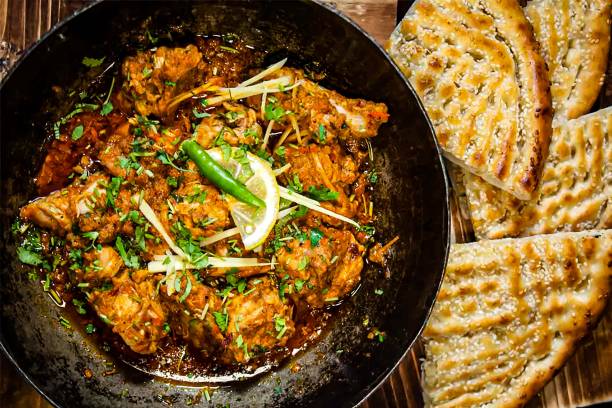
The name of Karahi comes from the large pot, which is a wok with a rounded shape, it is traditionally cooked in. What really makes it a lot different is its preparation. Karahi is fast cooking and is cooked over high heat as opposed to slow cooking for hours as is done with curries. This preserves the freshness of tomatoes, green chilies and ginger.
The result? A deep and hearty curry with notes of flavor that hit you in one fell swoop. There is a version for each household in Pakistan. Some just use tomatoes and spices. Some add yogurt, cream or even dried phenugreek leaves for depth. It is the personal touch that makes each karahi special.
This is a very flexible recipe. Chicken, mutton, beef, prawns or paneer can be used. There are a number of different proteins, each with its own set of benefits and the basic recipe remains relatively consistent.
Here are step-by-step instructions for cooking the perfect karahi.
- Use fresh tomatoes. Fresh tomatoes will provide authentic, slightly chunky texture, but canned tomatoes will suffice in a pinch. Use ripe and juicy tomatoes for ideal results.
- Cook on high heat. Karahi is not a low and slow dish. You desire that sizzling. The combination of high heat will caramelize the tomatoes and brown the meat, adding rich flavor in no time.
- Use bone-in meat. During cooking, bones give off gelatin and marrow, making the gravy smoother and tastier. Boneless cuts are quicker to cook but don’t have that richness.
- Top with fresh ingredients. Julienned ginger, green chilies and fresh coriander are added at the very end. This adds a spice to the dish that complements the spiciness.
Popular Types of Karahi Recipes – Best Pakistani Curry Ideas at a Glance
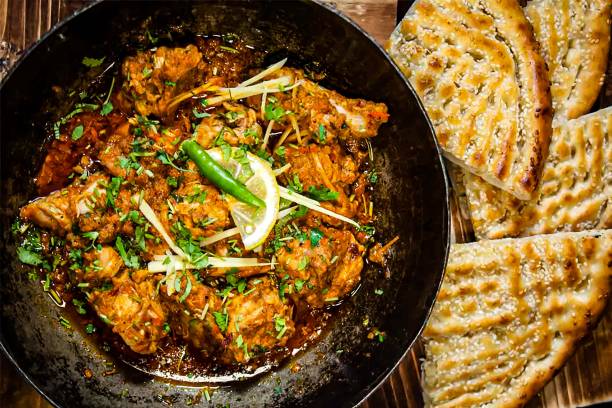
Before you fire up your stove, it helps to understand the different styles of karahi available. Here’s a quick comparison of the most popular versions:
| Type of Karahi | Main Protein | Flavor Profile |
|---|---|---|
| Chicken Karahi | Chicken (bone-in) | Tangy, spicy, tomato-based |
| Mutton Karahi | Goat meat | Rich, deep, slow-cooked flavor |
| Prawn Karahi | Shrimp / Prawns | Light, coastal, mildly spiced |
| Vegetable Karahi | Mixed vegetables | Fresh, healthy, aromatic |
| Peshawari Karahi | Chicken or mutton | Minimal spices, meat-forward taste |
Each of these versions has a loyal fan base. Chicken karahi is the most common choice for weeknight dinners. Mutton karahi, on the other hand, is often reserved for special occasions because it takes a bit longer to cook.
Why you need to add Karahi to your weekly meal plan.
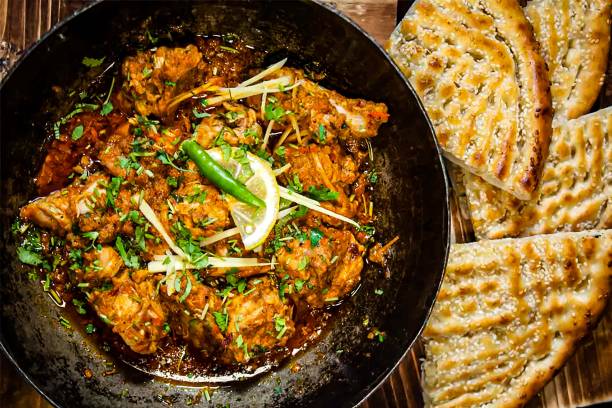
There are lots of good reasons to cook karahi frequently. First, it’s quick. Chicken karahi recipes are generally quick and easy to prepare and can be done in around 30-40 minutes. It’s quicker than takeout!
Second, it’s budget-friendly. You do not need to use the most expensive of ingredients. All you need to go with your protein of choice are tomatoes, onions, ginger, garlic, and basic spices.
Third, karahi is an easy-to-please dish. Kids love it. Adults love it. It doesn’t matter if your resident “picky eaters” like warm naan or steamed basmati rice, they won’t be able to pass it up. It’s a type of food that can easily gather people around the table.
The common mistakes that people make when cooking Karahi.
Even the most seasoned home chefs can fall short. This is a list of things not to do!
- Using too much oil. Use a small amount of oil. If you add too much oil to the dish, it will be greasy, and the taste of spices and tomatoes will be concealed.
- Overcooking the tomatoes. The tomatoes should be broken down, but still have some texture. Though they lose the freshness that makes a good karahi, they are good to cook into a paste.
- Overwatering. Karahi gravy should not be soupy, it should be thick and sticky to adhere to the food. Allow tomatoes to express their own juices, and don’t add water.
- Forgetting to add the final details. The last few ginger and green chilies can’t be left out. This is what makes the difference between a home-made karahi, and a really good one!
- Mixing preground spices. Whole spices will taste better after they are toasted and ground in fresh form rather than the store bought masalas. Use a spice grinder if one is available.
Learn the tricks of the trade from the Pakistani home cooks!
A secret is to add a little dried fenugreek leaves (kasuri methi) at the end. It gives a nice earthy bitterness which balances the rest of the flavors nicely.
Another Tricky Trick is to replace regular cooking oil with Desi Ghee. Ghee adds a nutty flavor to the dish, enhancing its overall taste. Just a tablespoon added to oil will make a difference.
Some chefs also recommend adding a splash of yoghurt in the middle of the cooking. It marbles the meat and adds a slight tang to flavor the tomatoes. Only stir in slowly to avoid curdling.
Finally, if you don’t want to use a charcoal grill, give the dhungar method a shot. Put a small piece of burning charcoal in a steel bowl in the pot, pour a teaspoon of ghee over the charcoal and close the pot immediately. The smoke imbuishes the curry with an amazing flavor in only 2 minutes.
Common Questions on Karahi
Q1: Yes, you can use another pot to prepare karahi.
Yes, absolutely. A heavy skillet or deep pan will do fine. The secret is to cook rapidly with high heat.
Q2: What’s the difference between karahi and regular curry?
Karahi is thicker and chunkier, and cooked quickly. More often than not, regular curries will require a longer cooking time and gravy that is smoother and also uses more water.
Q3: Is it possible to make vegetarian version of karahi?
Of course. Take paneer, mixed vegetables or chickpeas as a base. The same cooking method and spices are used and the result is the same – delicious!
Conclusion
A hot karahi of water on the stove is soothing. Tomatoes, garlic and ginger permeate the kitchen no more than any other dish. Whether you’re a beginner or a seasoned cook, karahi recipes – best Pakistani curry ideas offer something for everyone. Do a simple chicken karahi, learn the basics and then work out the protein and the spices. When you get the knack of it, you’ll be making karahis weekly! It’s that good. Now grab your ingredients, heat up your pan and let the magic start!
