Introduction
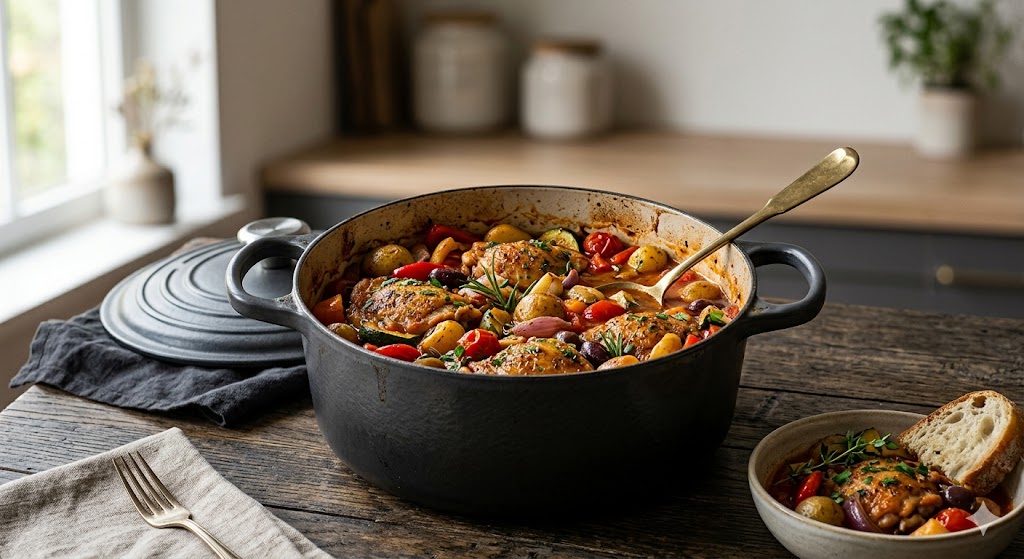
One-Pot Recipes – Simple Cooking with Less Cleanup, It’s wonderful to cook at home, but only if you don’t have to wash all that dishes afterwards. This is what makes one pot recipes such a hit with many home cooks. This can be done for a family or just for one person. A large, tasty dish without filling up all of the pans. One pot cooking is all about easy cooking, minimal cleanup and once you try it you can’t go back to the complicated cooking style. Let’s learn how to utilize this cooking style.
So, what is a one-pot meal and why are they so popular?
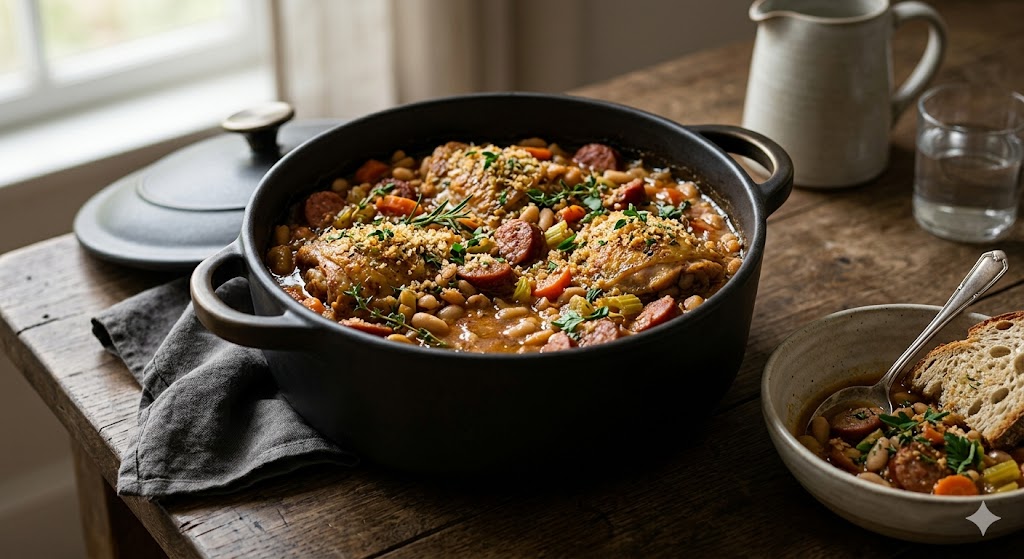
A one pot meal is a meal that is made in one pot. All foods (protein, vegetables, grains, and sauce) are cooked in one pot, pan, or slow cooker. No switching back and forth between different burners or cooking 5 different dishes simultaneously.
Why they are so popular? It’s simply less mess and less stress for people. No one wants to spend an hour scrubbing pots after a long day. These meals allow you to eat healthy without having a kitchen catastrophe.
They can be used in a variety of different ways as well. Soup, stew, pasta, rice dishes, curries and even casseroles can be prepared in one pot. This is one of the reasons why one pot cooking is great for novices and seasoned chefs.
Some handy tips on how to start your one pot cooking.
If you’re a beginner in this type of cooking, begin with simple recipes. For those who are new, it is ideal to have a simple chicken and rice meal or a hearty vegetable soup. No fancy ingredients or skills required.
Cook proteins until they are brown. Sear your chicken, beef or tofu for several minutes and get a lot of flavor in the pot, even if all of them go into the same pot. Be sure to follow this step.
Add ingredients a little at a time. Dark-green vegetables such as carrots and potatoes require a longer time than spinach and peas. Include harder ingredients first, and the softer ingredients last. This helps to keep things evenly cooked.
Use enough liquid. One pot meals tend to dry out easily, particularly when cooking grains. Make sure there is adequate liquid and if necessary, add a splash of broth or water.
A Look at the Most Common One-Pot Recipe Types
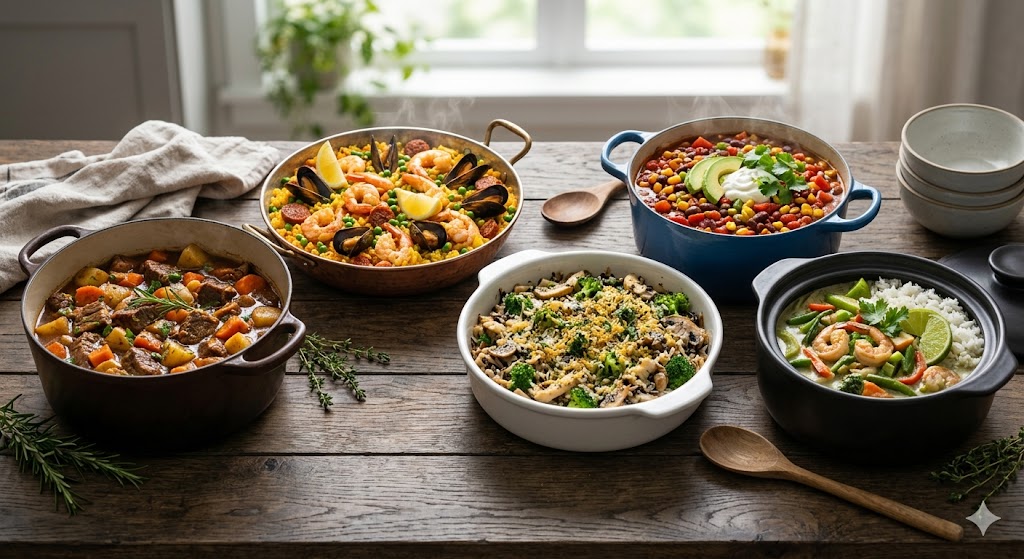
Not all one-pot meals are the same. Some use a Dutch oven, others a skillet, and some rely on a slow cooker or Instant Pot. Knowing the difference helps you pick the right tool for the meal you want to make.
Here’s a quick overview:
| Feature | Option / Type | Description |
|---|---|---|
| Cooking Method | Stovetop | Quick meals like pasta or stir-fry cooked in a large pot or skillet |
| Cooking Method | Slow Cooker | Long, low-heat meals perfect for soups, stews, and pulled meats |
| Cooking Method | Instant Pot / Pressure Cooker | Fast cooking under pressure — great for beans, rice, and braised dishes |
| Meal Type | One-Pan Bake | Oven-roasted meals with protein and veggies on a single sheet pan |
| Meal Type | Dutch Oven Dishes | Thick stews, bread, and casseroles with even heat distribution |
Each method has its strengths. The stovetop is fastest. The slow cooker is most hands-off. The Instant Pot is a nice middle ground when you want speed without sacrificing flavor.
Cooking this way makes you look and sound great, and feels good as well!
One pot cooking isn’t just about convenience, it’s about promoting healthier eating habits, too. If you don’t have a complicated recipe you’re more likely to prepare a meal at home rather than take one out.
It also saves money as well. Lentil soup, rice and beans or pasta and vegetables are cheap and satisfying foods. A single recipe can be used for a week’s meals.
The clean up benefit is also real! 1 pot, 1 cutting board, possibly 1 knife. You’ll save time at the sink and enjoy your food more.
Common Errors and how to avoid them
There are pitfalls even in simple cooking! A frequent error made is adding too many ingredients at once. Increases the viscosity and denseness of the food. Stick to a handful of well-chosen ingredients.
Another no-no is not seasoning. A simple recipe doesn’t have to be a boring recipe. A small amount of salt, pepper, garlic and herbs will go a long way toward adding flavor.
The overcooking is another issue. Pasta and rice will absorb water quickly. Be close and monitor for cooking times often, particularly the first time you cook a new recipe.
Here are some tips from the experts to make your one-pot dishes better.
You can never be too old to have a trick up your sleeve. Try these a few:
- After browning meat, deglaze with a splash of wine, broth or water. The bits that fall on the bottom contribute rich flavors.
Use homemade or good quality broth, if available. It really does have an impact.
Top with something new – squeezing in a bit of lemon, fresh herbs or a quick drizzle of fresh olive oil would add a bit of zip to the entire meal just before serving.
Things that make a simple recipe great are these little details.
One-pot recipes: FAQs.
Can I make one pot meals?
Absolutely. Most one-pots will keep in the fridge for 3–4 days and will reheat easily.
A: Yes, special equipment is required.
Not at all. Most recipes will use a large pot or deep skillet.
Are One Pot Meals Healthy?
Yes, they can be very healthy when prepared using whole food ingredients such as lean protein, vegetables and legumes.
Conclusion
It’s a wonderful feeling to have one pot to wash, having a warm home-cooked meal. One pot / simple cooking / less clean up food recipes are not only in fashion but also a healthy way to enjoy food without getting tired in the kitchen. This cooking style is for the busy parents, the college students and even for those who don’t like washing dishes. Try one recipe this week and how much healthier and easier meals can be.
