Introduction
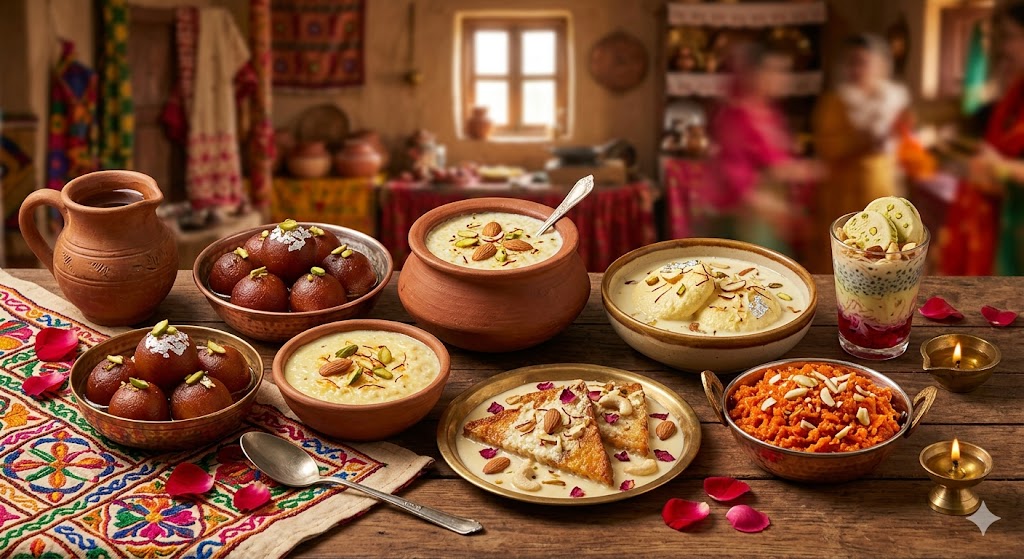
Traditional Pakistani Desserts – Classic Sweet Dishes, Pakistani people have a strong food culture and desserts have a special place in all the celebrations, gatherings and even in daily meals. Whether it is weddings, Eid festivals or not, nothing seems complete without a sweet dish on the table. Pakistani desserts include classic sweet dishes or traditional dishes, which are made by the traditional Pakistani ingredients and their tastes have been passed across generations. These dishes are a tale of family, love and tradition. It could be a creamy kheer boiling in the stovetop or hot gulab jamun in sugar syrup, but each of the desserts is unique in its own way. This article will discuss the most famous Pakistani sweets, provide tips to use in practice and make these sweets at home.
Having a rich history behind Pakistani Sweets.
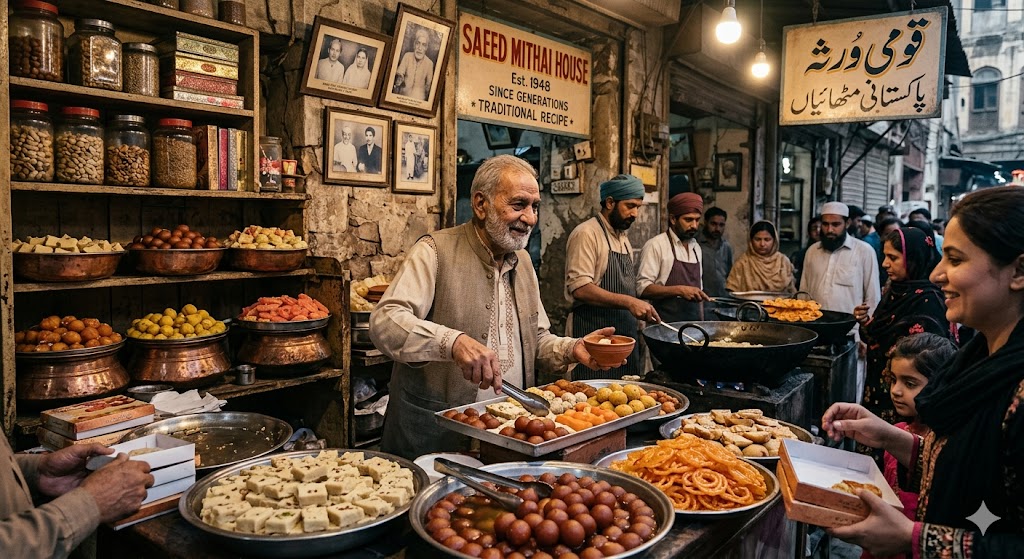
Pakistani desserts did not come out of the thin air. Their roots can be traced back to hundreds of years, guided by the Mughal, Central and South Asian culinary practices. The Mughal rulers had a fondness of exquisite sweets, prepared using nuts, saffron, cardamom and rose water. These royal tastes were later to be introduced in ordinary homes and became part of the ordinary Pakistani food.
There are a lot of sweets, which are region-specific. Jalebi and barfi are known to be famous in Punjab. Sindh is also famous with its exclusive mithai shops. There are dry fruit desserts of Khyber Pakhtunkhwa. In Balochistan, there are less complex, milk-based snacks. These areas make an unbelievable dessert map that is highly rewarding.
Overview of Popular Traditional Pakistani Desserts
Let’s look at some of the most beloved sweet dishes found across Pakistan. The table below gives a quick comparison of five iconic desserts, their main ingredients, and what makes each one special.
| Dessert Name | Main Ingredients | What Makes It Special |
|---|---|---|
| Gulab Jamun | Milk powder, sugar syrup, cardamom | Soft, melt-in-mouth balls soaked in warm syrup |
| Kheer | Rice, milk, sugar, nuts | Creamy pudding served at almost every celebration |
| Jalebi | Flour, yogurt, saffron, sugar syrup | Crispy, spiral-shaped, and bright orange in color |
| Gajar Ka Halwa | Carrots, milk, ghee, sugar | Winter favorite with rich, dense texture |
| Barfi | Condensed milk, sugar, pistachios | Fudge-like squares often gifted during festivals |
Each of these desserts has a unique taste and texture. Some are best enjoyed warm, while others taste wonderful when chilled. The beauty of Pakistani sweets lies in their variety.
Easy Recipes to follow to prepare Pakistani Sweets at home.
It might be frustrating to prepare desserts at home, yet it does not have to be so. Begin with easy recipes such as kheer or gajar ka halwa. These are easy to prepare, and do not need high-level cooking expertise.
Always full-fat milk so that it turns out creamier. Milk with low fat content will not be as rich. At the time of making sugar syrup, remember to check the consistency of the syrup. Too much water, and your gulab jamun will not take up flavour. Thickness will cause crystallization of the syrup.
New cardamom and actual saffron are significant. When possible avoid artificial flavoring. No store cardamom powder can replace the smell of freshly-crushed cardamom pods.
The reason why these traditional sweet dishes should be preserved.
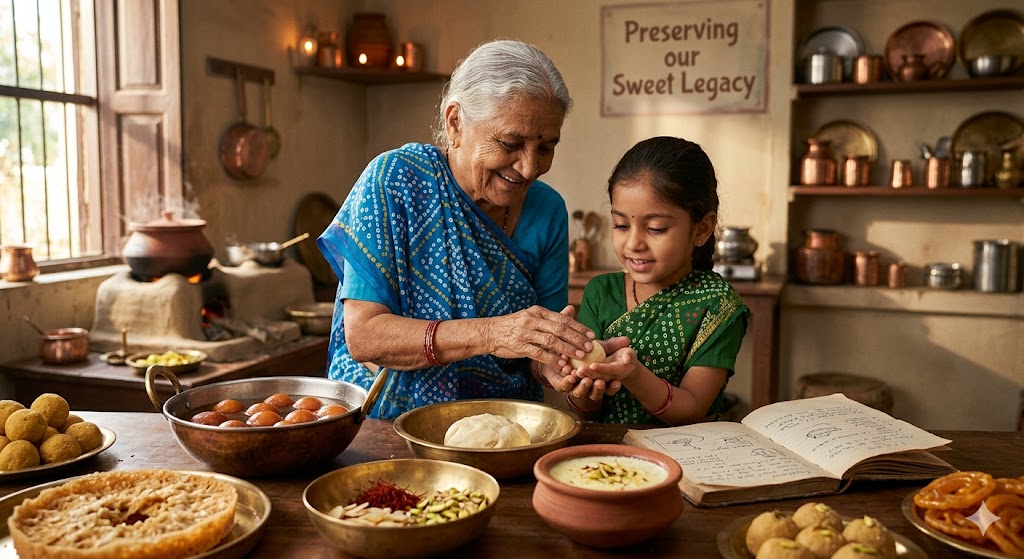
Pakistani desserts It is not only about taste. The traditional Pakistani sweets are classic sweet dishes. They connect people. A bond is being reinforced when a grandmother is teaching her granddaughter how to stir halwa. Community is being built when neighbors give out mithai during Eid.
The ingredients such as milk, carrots, nuts and ghee are also wholesome in these desserts. They can be a fair treat when prepared at home using regulated sugar. Most of the recipes are gluten-free by default and this is an added advantage to those with a dietary limitation.
These recipes are preserved, hence maintaining cultural identity. In a world where snacks and processed food are becoming common, the Pakistani homemade sweets are a breath of fresh air.
Some of the most common mistakes that one should avoid when making Pakistani desserts are listed below.
The biggest error is to hurry the cooking process. Foods such as gajar ka halwa have to be cooked at low temperatures. When you turn up the burner, the milk burns and the carrots do not boil to a soft.
The other mistake is to put too much sugar. Balances are important, however, Pakistani sweets are supposed to be sweet. Before determining the level of sugar, taste your mixture or syrup. You may always add but you cannot take away.
Another issue is that stale nuts or milk powder are used. Authentic taste cannot be compromised with fresh ingredients. And, do not omit the ghee. It is not sticky and gives it flavor. The substitute of oil with oil completely alters the nature of the dish.
Professional Hacks to the natural taste.
In case you desire that your desserts to be as savored as they were in a traditional sweet shop, below are some of the secrets of the trade.
Toast your nuts then put it in as a garnish. This will emulsify their natural oils and add flavor. In the kheer case, allow the milk to evaporate at least by a third then add rice. This gives it a thick and luxurious feel that everyone is fond of.
In the preparation of jalebi, fermentation of batter should take at least six hours. The fermentation makes jalebi have its characteristic tang and crispness. Ice-cold batter is best used and it should be dropped into very hot oil.
Rose water is to be added at the end and not in the middle of cooking. Its tender odour is destroyed by heat. The floral aroma is beautiful and a few drops before the serving preserve the aroma.
Frequently Asked Questions
Q1: Which is the most popular dessert in Pakistan?
Kheer and gulab jamun are possibly the most popular. They are found in nearly all weddings, Eid celebrations and family dinners throughout the country.
Q2: Will I be able to prepare traditional desserts of Pakistan without ghee?
Butter can be used to replace butter in various recipes, but ghee does not have a substitute taste. To achieve the best results, desi ghee should be pure.
Q3: Do Pakistani sweets require a lot of home-cooking?
Not at all. Most classic dishes such as kheer, halwa and barfi are very simple. They primarily call on patience, good ingredients and practice.
Conclusion
The classic sweet dishes that are typical of Pakistani traditions are not merely food but are a traditional Pakistani dessert. They are a symbol of the warmth, custom and the delight of sharing something home-cooked with the people you love. These recipes have endured the test of time and it is understandable as they are made of syrupy sweetness of gulab jamun to the creamy comfort of kheer. Being a first-time cook or having been raised surrounded by such dishes being prepared, you can always learn something new and feel good about it. Select a recipe, purchase your ingredients and add some sweetness to your home today.
